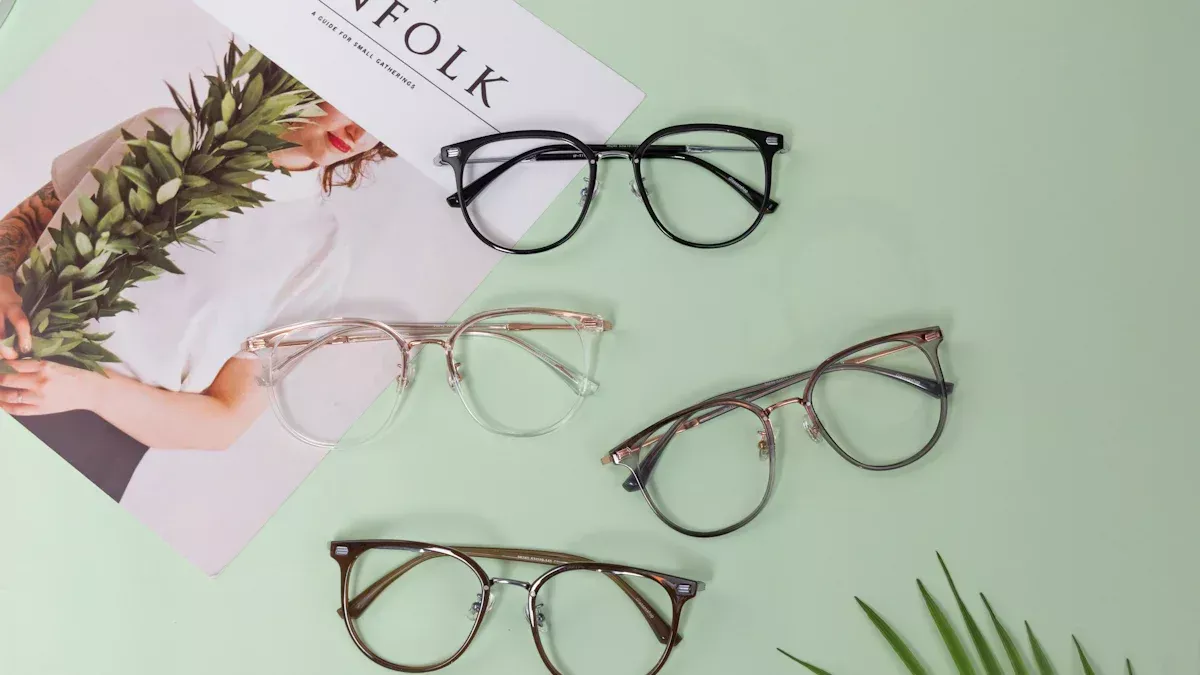
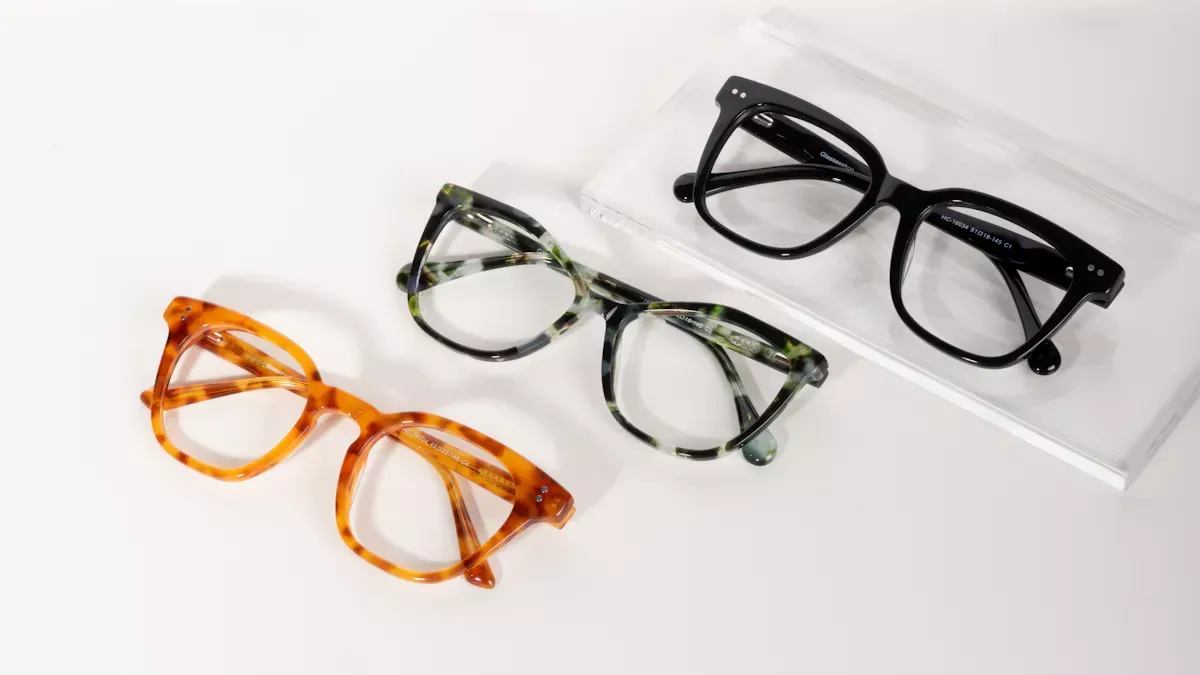
You use reading glasses to help your eyes see things close up. This includes reading books or looking at your phone. Most people buy reading glasses at stores without needing a prescription. These glasses help if you squint, get headaches, or see blurry words when reading.
In the United States, about 83-89% of adults over 45 need help seeing things near them because of presbyopia. This means millions of people use reading glasses every day.
Over-the-counter reading glasses are a fast fix, but some people need prescription glasses for other vision issues.
Trend | Description |
Global Aging Population | By 2030, 1 in 6 people will be 60 or older. This will make more people need reading glasses. |
Digital Eye Strain | 68% of workers feel digital eye strain. So more people need reading glasses. |
Market Growth Drivers | Aging, more screen time, and style trends help the reading glasses market grow. |
Reading glasses help many people with daily life. They are useful as you get older or spend more time looking at screens.
Key Takeaways
Reading glasses help you see things that are close. They make reading and other close-up tasks easier. Most adults over 45 have presbyopia. This means they need reading glasses to see clearly. You can pick traditional reading glasses or prescription glasses. The choice depends on what your eyes need. Watch for signs like squinting or headaches. These signs show you might need reading glasses. Getting eye exams often is important for eye health. Eye exams also help you get the right glasses.
What Are Reading Glasses
Definition & Purpose
You might wonder what reading glasses are and why people use them. Reading glasses help you see things that are close to you. You wear them when you read, look at your phone, or do crafts. These glasses make small words and objects look bigger. If you have trouble seeing things nearby, reading glasses can help you with daily tasks.
Reading glasses help you see things up close.
They make small print and objects look larger.
You use them for reading, sewing, or using devices.
Many people start using reading glasses as they get older. Your eyes change as you age, and reading can get blurry. Reading glasses help you feel more comfortable and stop your eyes from getting tired. Using reading glasses does not hurt your eyes. They just help people with presbyopia see better.
Tip: Wearing reading glasses will not make your eyes weaker. They help you see clearly and stop headaches or squinting.
Traditional Reading Glasses vs. Prescription Reading Glasses
You can pick between traditional reading glasses and prescription reading glasses. Traditional reading glasses are easy to find in stores. You do not need a doctor’s note to buy them. These glasses come in different strengths for people who need help seeing up close.
Traditional reading glasses are not made just for you. They use the same power for both eyes.
You wear them for reading or other close work.
They are not for wearing all the time and do not fix other vision problems.
Traditional reading glasses are mostly for presbyopia and may not work for everyone.
Prescription reading glasses are different from traditional ones. You get them after an eye doctor checks your eyes. These glasses are made for your own vision needs. Prescription reading glasses can fix differences between your eyes and help with other problems like myopia, hypermetropia, or astigmatism.
Prescription reading glasses are made just for you.
You can wear them all day and they help with many vision problems.
You need to see an eye doctor to get prescription reading glasses.
Prescription reading glasses use better materials and special lenses.
Type of Glasses | Lens Type | Material Used |
Traditional Reading Glasses | Single-focus lenses | Standard materials |
Prescription Reading Glasses | Customized lenses | Wider variety of materials |
Over-the-counter reading glasses are cheap and easy to buy. You can find them almost anywhere. They work well for simple vision needs. Prescription reading glasses cost more and need an eye exam, but they give you better vision and comfort.
Aspect | Over-the-Counter Reading Glasses | Custom Prescription Glasses |
Cost | Low cost, widely available | Higher cost, requires an eye exam |
Lens Quality | Lower-quality materials, potential distortion | High-quality, tailored to individual needs |
Vision Correction | Generic magnifying strengths, not suitable for all vision issues | Customized for each eye, addresses specific vision needs |
Convenience | Easily accessible at stores | Requires a visit to an eye specialist |
Underlying Conditions | Does not address underlying issues | Can detect and manage underlying conditions |
Some people believe myths about reading glasses. Some think using them will make your eyes worse. This is not true. Reading glasses help you feel better and see more clearly. They do not hurt your eyes. If you use the wrong strength, your eyes might feel tired or sore. Getting regular eye exams helps keep your eyes healthy.
Note: Reading glasses do not make you look old. Many people think they look stylish and smart.
If you need help seeing things close up, you can try traditional reading glasses. If you have other vision problems or need special glasses, prescription reading glasses might be better. Always watch for changes in your vision and see an eye doctor if you notice anything different.
Why You Need Reading Glasses
Signs You Need Reading Glasses
You may notice changes in your vision as you get older. These changes can make daily tasks harder. If you struggle to see things up close, you might need reading glasses. Many people do not realize the signs right away. You can look for these common signs:
You squint when you try to read text or see close-up items.
Your eyes feel tired or heavy after reading for a short time.
You hold books, phones, or menus farther away to see them clearly.
You get headaches after reading or doing close-up work.
You find it hard to read in low light.
You need brighter lighting to read small print.
You feel eye strain, especially after using a computer or reading.
If you notice these signs, you should consider a reading glasses test. This test helps you find out if you need help with your near vision. Many people delay getting reading glasses. This can lead to more headaches and eye strain. You may also find yourself moving closer to light sources or squinting more often. These habits can make your eyes feel worse over time.
Tip: If you feel tired eyes or headaches after reading, you should try a reading glasses test. This can help you see if reading glasses will make your daily life easier.
Presbyopia & Age-Related Changes
Presbyopia is a normal part of aging. It happens when your eyes lose the ability to focus on close-up objects. Most people start to notice presbyopia in their early to mid-40s. You may find it harder to read small print or do detailed work. Nearly everyone over 40 will develop presbyopia. By age 65, almost all adults have this condition.
Presbyopia affects your near vision. You may need reading glasses to help with daily activities. Reading glasses make it easier to read menus, use your smartphone, or enjoy hobbies like sewing and crafting. Without reading glasses, you may struggle with tasks that need clear close-up vision.
Activity Type | Recommended Glasses | Impact of Using Reading Glasses |
Close-up tasks (e.g., reading) | Reading Glasses | Ideal for clear vision and comfort |
Computer use | Computer Glasses | Reduces eye strain and improves posture |
Hobbies (e.g., crafting) | Reading Glasses | Provides necessary magnification |
Long screen time | Computer Glasses | Essential for reducing fatigue |
Reading glasses are designed for close-up tasks. They help you see clearly when you read or do crafts. If you use reading glasses for computer work, you may still feel discomfort. For computer use, you might need special computer glasses. Reading glasses work best for reading books, looking at your phone, or doing detailed hobbies.
If you notice changes in your near vision, you should not ignore them. Reading glasses can help you avoid headaches, eye strain, and tired eyes. You can take a reading glasses test to find the right strength for your eyes. This simple step can make reading and other close-up tasks much easier.
Note: Taking care of your eyes helps you enjoy daily life. Reading glasses are a simple tool that can make a big difference.
Reading Glasses Guide: Choosing the Right Pair
If you want to make reading easier, this reading glasses guide will help you choose reading glasses that fit your needs. You can use this reading glasses guide to learn about magnification strengths, style, comfort, and quality.
Magnification Strengths
The first step in this reading glasses guide is to check the magnification strength. You should start with an eye exam to know your needs. Many people use age-based guidelines to choose reading glasses. Here is a simple table to help you:
Age Range | Recommended Diopter Strengths |
Ages 40–45 | +1.00 to +1.50 |
Ages 45–50 | +1.50 to +2.00 |
Ages 50–55 | +2.00 to +2.50 |
Ages 55–60 | +2.50 to +3.00 |
Ages 60 and older | +3.00 to +3.50 |
You can adjust the strength based on how far you hold your reading material. Using the wrong strength can cause eye strain and headaches. This reading glasses guide recommends regular eye exams to keep your vision clear.
Style & Comfort
The next part of this reading glasses guide focuses on style and comfort. You should choose reading glasses that fit your face and feel good. Many people like rimless designs because they are light and do not stand out. Lightweight frames, such as titanium or plastic, help reduce discomfort. A well-fitting pair of reading glasses can make reading more enjoyable.
Factor | Description |
Frame Fit | Frames should sit well on your nose and ears. |
Temple Length | Arms should not press behind your ears. |
Adjustable Nose Pads | Good for low or wide nose bridges. |
Lens Height | Lower third should align with your line of sight for reading. |
Frame Material | Lightweight materials add comfort. |
You should also think about your lifestyle and where you will use your glasses. Try on different shapes and colors to find what you like.
Quality Considerations
The last part of this reading glasses guide helps you choose reading glasses that last. Look for sturdy materials like acetate or metal. High-quality lenses with anti-reflective coatings can reduce glare and eye strain. Most reading glasses last one to three years, depending on how you care for them. Durable and scratch-resistant lenses keep your vision clear.
Quality Indicator | Description |
Frame Material | Lightweight and sturdy for durability. |
Lens Coatings | Anti-reflective coatings reduce glare. |
Comfort Fit | Proper fit prevents discomfort during use. |
If you follow this reading glasses guide, you will have an easier time finding the right reading glasses for your needs. Remember to update your glasses if you notice changes in your vision.
Tip: Always try on several pairs before you choose reading glasses. Comfort and clarity matter most.
Alternatives & Eye Care
Other Vision Correction Options
You have many ways to help your near vision. Multifocal glasses and multifocal contact lenses let you see close and far. Monovision LASIK and refractive lens exchange are surgeries. These surgeries do not bring back your eye’s natural focus up close. Some people use bifocal or progressive addition lenses. These lenses help you see at different distances without switching glasses. Monofocal or bifocal contact lenses also help you read and do daily things.
A new choice is VUITY 1.25% eye drops for presbyopia. These drops make it easier to see things close and in the middle distance for a few hours. You can use them and still see far away. Many people like this option for reading and using their devices.
Type of Glasses | Cost Range |
Over-the-counter reading glasses | $1 to $50 or more |
Prescription eyeglasses | $200 and up |
Glasses that are not high quality can make your vision blurry. Prescription glasses give you a clear and sharp picture. Glasses made in large amounts work for lots of people. Custom glasses fit your eyes better.
When to Consult an Eye Care Professional
You should see an eye care professional if you get headaches often or your eyes feel tired. If you have trouble seeing with store-bought readers, you need expert advice. If you have special vision needs like astigmatism or different strengths for each eye, a professional can help. Regular eye exams keep your eyes healthy and find problems early.
Age Group | Asymptomatic/Low Risk | At-Risk |
18 through 39 | Every two years | Annually or as recommended |
40 through 64 | Every two years | Annually or as recommended |
65 and older | Annually | Annually or as recommended |
Tip: Getting your eyes checked often helps you see well and spot health problems early.
You can keep your eyes healthy by doing simple things. Put your computer screen about 25 inches from your face and a little below your eyes. Use artificial tears if your eyes feel dry. Try the 20-20-20 rule: every 20 minutes, look at something 20 feet away for 20 seconds. Pick glasses instead of contact lenses to give your eyes a break. Use good lighting to help your eyes feel better.
Reading glasses help you see things close and stop eye strain. Watch for changes in your vision and get help from a professional when you need it.
Conclusion
Reading glasses make it easier to see things up close. They help you read, use your phone, and enjoy hobbies. You can do more on your own when you see clearly. Your eyes feel less tired when you use reading glasses.
Recommendation | Description |
Regular Eye Exams | Help find problems early and keep your eyes healthy. |
Routine Eye Exams | Catch eye issues before they get worse. |
Comprehensive Exams | Notice changes as you age and protect your vision. |
Watch for any changes in how you see. Go to an eye doctor if you notice problems. Taking care of your eyes helps you enjoy life every day.
FAQ
How do you know what strength reading glasses you need?
You can try different strengths at a store. Start with the lowest number. Read a book or label. If words look clear and sharp, you found the right strength. You can also ask an eye doctor for help.
Can you wear reading glasses all day?
You should wear reading glasses only when you do close-up work. If you wear them all day, your distance vision may blur. Take them off when you look at things far away.
Do reading glasses fix all vision problems?
Reading glasses help you see things up close. They do not fix problems like astigmatism or distance vision. If you have other vision issues, you need prescription glasses.
How often should you replace your reading glasses?
Replace your glasses if:
Lenses get scratched
Frames break
Your vision changes
Most people get new glasses every one to three years.